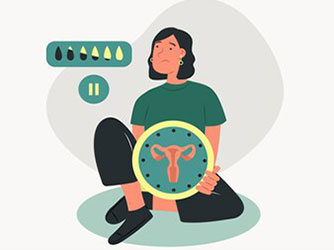
PMS is the combination of symptoms that women suffer from a week or so before the menstrual period and ends with the onset of menstruation. PMS is more common at ages between 20 and 30. However, the symptoms may be experienced at any age during the reproductive age.
Symptoms of PMS
Symptoms can vary widely from person to person but commonly include:
Physical symptoms like bloating, and breast tenderness due to water retention are experienced by many girls.
Headache and acne due to fluctuations of hormones
Cramps and other digestive issues as the uterus prepares for menstruation.
Emotional and behavioral symptoms like mood swings, anxiety, sleep disturbances and irritability due to changes in neurotransmitters like serotonin play a role in PMS.
Causes
The exact reason for PMS is not specified, but several facts are correlated with this syndrome.
Fluctuation in female hormones like estrogen and progesterone during menstrual cycle.
Variations in some neurotransmitters like serotonin in the brain can cause mood swings and perception of pain.
Family history plays a role in girls suffering from PMS.
Lack of physical exercise, stress, and a poor diet can exacerbate PMS symptoms.
Diagnosis of PMS
PMS is diagnosed from symptoms, history, family history and correlation of symptoms with the menstrual cycle. Maintaining a menstrual diary can be helpful in alleviating the symptoms. However, the other medical conditions mimicking PMS like Thyroid disorders or Mental disorders need to be ruled out by blood tests.
Management and Treatment
PMS is most of the time taken care of by guiding girls to a healthy lifestyle, like regular physical exercises, yoga and meditation, a healthy balanced diet, various techniques to reduce stress levels and a good sound sleep. Hot water bottles are sometimes a simple remedy to make girls comfortable.
The girls can be guided to take medicines which are available over the counter, like ibuprofen or paracetamol.
Certain vitamins like vit B6, vit D3, omega fatty acids, and calcium can also alleviate the symptoms of PMS.
Hormone therapy and Diuretics can be given in case the severity is higher and the above measures are not enough under guidance of health care providers.