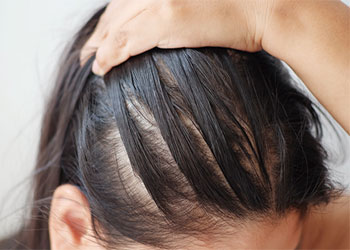
During menopause, hormonal changes—especially the decline in estrogen and progesterone levels—can affect hair, often leading to thinning, dryness, and hair loss.
The signs of hair loss in women may include: noticing more hair falling out daily, developing noticeable patches of thinner or missing hair (including a widening part on the top of the head), and seeing scalp skin through thinning hair.
Causes:
Hormonal changes: Declining levels of estrogen and progesterone can cause hair thinning, dryness, and loss. Hair follicles may shrink, resulting in finer hair growth.
Increasing level of testosterone
Genetic predisposition.
Underlying health conditions: Such as abnormal thyroid function, imbalanced testosterone levels, or deficiencies in vitamins and minerals (like vitamin B, vitamin D, iron, and zinc), as well as anemia.
Treatments: Including chemotherapy and radiation.
Rapid weight loss.
Stress
Frequent chemical hair treatments.
Certain medications: Such as those for blood pressure, gout, and high doses of vitamin A.
Management and Treatment:
There are different types of hair loss (alopecia). Diagnosing the exact cause is the first step in treating it. Consulting an expert or healthcare provider can help understand changes in hair growth and identify any underlying disorders or medications responsible for hair loss or thinning.
A dermatologist or trichologist may recommend a scalp examination and blood tests to check for vitamin and mineral deficiencies (such as vitamin D, vitamin B, zinc, and iron).
Hair Care Tips During Menopause:
Gentle Cleansing and Hydration:
Use sulfate-free, moisturizing shampoos and conditioners to prevent dryness and brittleness.
Apply deep conditioning treatments once a week to maintain moisture and strengthen hair.
Avoid chemical treatments, excessive heat styling (such as with straighteners and curlers), and frequent coloring.
Opt for hairstyles that don’t require excessive pulling or tension.
Lifestyle Management:
Maintain a balanced diet rich in protein, healthy fats, and vitamins and minerals.
Incorporate more phytoestrogens into your diet, such as flaxseeds, chia seeds, and berries, which can mimic natural estrogen and support hair health.
Include foods like fish, nuts, leafy green vegetables, and seeds to support hair growth.
Scalp care: Gently massage your scalp to stimulate blood flow and promote hair growth.
Use nourishing oils like argan oil or coconut oil for dry hair, or opt for lightweight serums if your hair is oily.
Stress management: Stress can exacerbate hair loss during menopause. Regular exercise, mindfulness, and relaxation techniques can help reduce stress levels.
Consult a Professional:
If hair loss is significant, consult a dermatologist or trichologist. They may recommend treatments such as minoxidil or other therapies to promote hair growth.
Hormone replacement therapy (HRT): This can be considered to address hair health issues, but only under the guidance and supervision of an expert.
Certain advanced therapies, such as light therapy, microneedling of the scalp, platelet-rich plasma (PRP), or even hair transplant surgery, can be recommended if necessary.