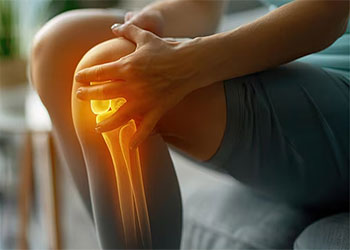
Bone health is a crucial and significant point of concern during menopause as bones lose calcium and other minerals, leading to an increased risk of osteoporosis and fractures.
Causes
Estrogen hormone acts like a vehicle to transfer calcium and other minerals from blood into the bones. Declining levels of estrogen leads to a decrease in mineralization of bones.
Certain situations exaggerate this situation as under
Perimenopause and menopause period
Surgical menopause or early menopause
Women on long term steroids
Women on bed for a long duration due to some illness
Women with a family history of osteoporosis
Women with a parental history of hip fracture
Women suffering from other glandular disorders like the thyroid gland, parathyroid gland or pituitary gland
Women with a history of breast cancer, rheumatoid arthritis, coeliac disease or Crohn’s disease
Lifestyle factors like smoking, alcohol, drug abuse or physical inactivity
Management
Healthy Bones Lifestyle Management is most crucial for good bone health
Healthy diet rich in fruits, vegetables, lean protein and whole grains. Dairy and dairy products like firm tofu, almonds, Brazil nuts, dark green leafy vegetables, fish with edible bones like sardines are good sources of calcium.
Physical activities like weight-bearing exercises, and strength training with resistance bands can help to develop muscle mass which supports and strengthens the bones. Brisk walking, climbing stairs, jogging or running, dancing, sports like tennis, badminton, ping pong, pickle ball and other racket games help to make bones stronger.
Avoidance of smoking, alcohol, drugs can help to make bones stronger.
Supplements of calcium, vit D3, vitamin K, Omega fatty acids. Aim for 1000 to 1200 mg of calcium per day during menopause through diet or fortified foods or by supplements. Aim for vit D 600 to 800 iu per day by exposure to sun, fortified foods, other dietary sources or by supplements.
Hormone replacement therapy is recommended in certain high risk cases under the supervision of an expert for weighing risks and benefits.
Medications can be given in certain high risk cases for better bone health under the supervision of an expert, like biphosphonates, denosumab, selective estrogen receptor modulators (serm).