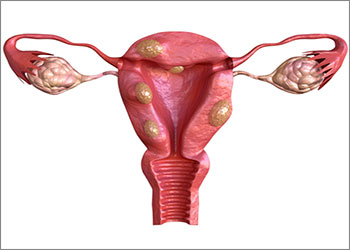
Uterine Fibroids: The Silent Disruptors of Women’s Health
Uterine fibroids are one of the most common gynecological conditions, yet they often go undiagnosed or mismanaged due to overlapping symptoms with other hormonal disorders. These benign (noncancerous) growths in the uterus affect up to 80% of women by the age of 50, but their impact varies—some women experience no symptoms, while others struggle with debilitating pain, heavy bleeding, and fertility challenges.
What Are Uterine Fibroids?
Fibroids, also known as leiomyomas or myomas, are made of muscle and fibrous tissue that grow within or on the uterus. They vary in size, from tiny, seed-like growths to large masses that can distort the uterus.
Types of Fibroids
Intramural Fibroids: Develop within the muscular wall of the uterus.
Subserosal Fibroids: Grow on the outer surface of the uterus, sometimes pressing on surrounding organs.
Submucosal Fibroids: Grow into the uterine cavity and are most likely to cause heavy bleeding and fertility issues.
Pedunculated Fibroids: Grow on stalks inside or outside the uterus.
Symptoms of Uterine Fibroids
Many women remain asymptomatic, but those who experience symptoms may face:
Heavy or prolonged menstrual bleeding
Severe menstrual cramps
Pelvic pain or pressure
Frequent urination or difficulty emptying the bladder
Constipation or bloating
Pain during intercourse
Lower back or leg pain
Difficulty conceiving or recurrent miscarriages
Causes and Risk Factors
The exact cause of fibroids is unknown, but several factors contribute to their growth:
Hormonal Imbalance: Estrogen and progesterone fuel fibroid growth, making them more common during reproductive years.
Genetics: A family history increases the likelihood of developing fibroids.
Inflammation & Lifestyle Factors: Chronic inflammation, obesity, and high consumption of processed foods may contribute.
Race & Ethnicity: Black women are disproportionately affected, often developing larger and more numerous fibroids at an earlier age.
Fibroids, Hormonal Disorders, and Menopause
Fibroids often coexist with other hormonal conditions like PCOS, hypothyroidism, and endometriosis, complicating symptoms and treatment. During menopause, fibroids typically shrink due to declining estrogen levels, but in some cases, hormone replacement therapy (HRT) may trigger their regrowth.
Diagnosis of Fibroids
Fibroids are typically diagnosed through:
Pelvic exam: A doctor may feel an enlarged or irregularly shaped uterus.
Ultrasound: Confirms the presence, size, and location of fibroids.
MRI: Provides detailed imaging, especially for complex cases.
Hysteroscopy: A camera inserted into the uterus to evaluate submucosal fibroids.
Treatment Options
1. Watchful Waiting:
If fibroids are small and asymptomatic, no immediate treatment is needed.
2. Medications:
Hormonal Therapy: Birth control pills, progestins, or GnRH agonists can shrink fibroids and manage bleeding.
Tranexamic Acid: Helps reduce heavy bleeding.
Non-Hormonal Options: Anti-inflammatory medications like ibuprofen for pain relief.
3. Minimally Invasive Procedures:
Uterine Artery Embolization (UAE): Cuts off blood supply to fibroids, causing them to shrink.
MRI-Guided Focused Ultrasound: Uses sound waves to destroy fibroid tissue.
Myomectomy: Surgical removal of fibroids while preserving the uterus (preferred for women wanting future pregnancies).
4. Hysterectomy (Last Resort):
For severe cases, complete removal of the uterus may be necessary, permanently eliminating fibroids but ending fertility.
Managing Fibroids Naturally
While medical treatments are often necessary, lifestyle changes can help manage symptoms:
Diet & Nutrition: A high-fiber, anti-inflammatory diet with leafy greens, fruits, and lean proteins can help balance hormones.
Exercise & Weight Management: Reducing excess body fat can lower estrogen levels.
Stress Reduction: Yoga, meditation, and acupuncture may help regulate hormones.