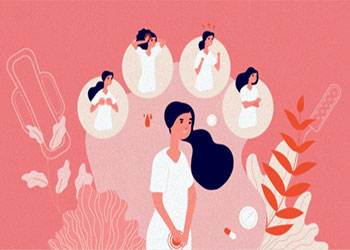
Breaking the Silence: Tackling Menstruation Taboos
Menstruation is a natural biological process that only affects women. It has, however, always been surrounded by myths and taboos and is still shrouded in stigma and misinformation across many cultures. These menstruation taboos create barriers to education, health, and gender equality, often silencing conversations about periods and perpetuating a cycle of shame.
Common Menstruation Taboos
1. Religious Exclusion
Many religious traditions consider menstruating individuals impure, barring them from entering places of worship or participating in rituals.
This exclusion reinforces the notion that menstruation is something shameful or sinful.
2. Food Restrictions
In several cultures, menstruating individuals are told not to touch or prepare certain foods, such as pickles or milk, out of fear that they will spoil due to their “impurity.”
3. Isolation Practices
Practices like Chhaupadi in Nepal force menstruating women to live in isolation, often in unhygienic and unsafe conditions, increasing their risk of illness or harm.
4. Silence in Public Spaces
Even in modern settings, menstruation is often treated as a private or embarrassing matter. People hesitate to carry sanitary products openly or talk about periods in public, reinforcing the stigma.
5. School Absenteeism
The lack of access to menstrual hygiene products and proper sanitation leads to many girls missing school during their periods, affecting their education and future opportunities.
Impact of Menstruation Taboos
The silence and stigma surrounding menstruation have far-reaching consequences:
Health Risks: Poor menstrual hygiene due to lack of access to sanitary products and clean facilities increases the risk of infections.
Emotional Toll: Feelings of shame, embarrassment, and low self-worth are common among individuals affected by these taboos.
Gender Inequality: Menstruation taboos reinforce patriarchal structures by limiting women’s participation in social, religious, and professional activities.
Educational Barriers: Girls may drop out of school entirely due to inadequate facilities or the stigma of menstruating.
Breaking the Taboos
1. Normalize Conversations
Open dialogue about menstruation is essential. Encouraging discussions in schools, workplaces, and homes can help dispel myths and reduce shame.
2. Menstrual Education
Comprehensive menstrual health education for both boys and girls can break down misconceptions and foster understanding and empathy.
3. Access to Menstrual Products
Governments and NGOs must work together to provide free or affordable sanitary products to ensure menstrual hygiene for all.
4. Menstrual-Friendly Policies
Organizations should implement policies like menstrual leave and ensure clean, accessible facilities for menstruating employees.
5. Community Awareness Campaigns
Grassroots movements and awareness campaigns can challenge long-standing cultural norms and promote menstrual equity.
Conclusion
Breaking menstruation taboos is not just a women’s issue—it’s a societal one. A strategic strategy must be taken for normalizing periods and ensuring access to menstrual health resources, we can foster an inclusive, equitable world where no one is held back by something as natural as their biology.