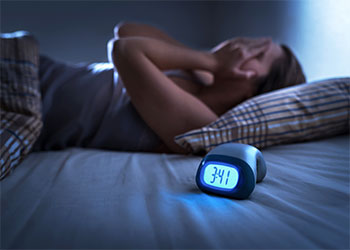
Did you know daily sleep of 7–9 hours is essential for physical health, mental clarity and overall well-being?
Insomnia during menopause is a common problem caused by hormonal changes, particularly the decline in estrogen and progesterone levels. The problem of insomnia is found in more than 50% in post-menopausal females in terms of either difficulty in falling asleep, or staying asleep or experiencing disturbed sleep.
Causes
Hormonal changes: The declining or fluctuating levels of hormones can disrupt sleep patterns.
Hot flushes and night sweats: sudden sense of heat around the face and neck with sweating and fast heart beats can wake women from sleep.
Melatonin level:melatonin is a hormone that plays a key role in the sleep wake cycle, helping keep people asleep. Melatonin levels decrease with age, which can cause sleep disturbances.
Mental health: anxiety, stress and depression are common during menopause, which can contribute to sleep disturbances.
Other lifestyle factorslike blue light from electronic devices, irregular sleep schedules, jet lag and some sleep disorders like sleep apnea are also known causes of sleep disturbances.
Management and Treatment
lifestyle management can help to maintain a good sleep.
Maintain a sleep routine: Go to bed and get up at the same time every day.
Exercise at a regular time each day but not close to bedtime
Avoid eating large meals close to bedtime. Including a diet rich in natural phytoestrogens like soy and soy products, flaxseeds to compensate for low hormones.
Control hot flushes by comfortable room temperature and comfortable clothing.
Stay away from caffeine, alcohol, spicy food closure to bedtime.
Try not to use electronic devices in the bedroom.
Practice relaxation techniques to reduce stress and anxiety before bedtime by different modes, like yoga, aromatherapy, listening to calming music, some herbal tea.
supplements like melatonin and magnesium can be given for good sleep under the supervision of an expert.
Cognitive behavioral therapy for good sleep works well in many cases of sleep disorders.
Hormone replacement therapy can alleviate sleep disorders in menopausal women by an expert health care provider.