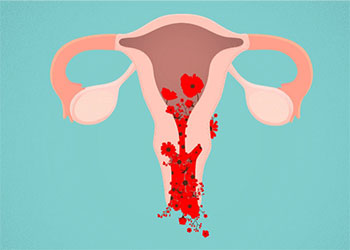
Understanding Abnormal Uterine Bleeding (AUB) in Perimenopause
One of the most common and distressing concerns for women in the perimenopausal phase is unpredictable or excessive menstrual bleeding. Medically, this is often referred to as Abnormal Uterine Bleeding (AUB) — a condition that was traditionally called Dysfunctional Uterine Bleeding (DUB).
What Is Abnormal Uterine Bleeding (AUB)?
AUB is defined as irregular, excessive, prolonged, or unpredictable bleeding from the uterus that is not due to pregnancy, infection, tumors, or any systemic illness.
During perimenopause, the hormonal fluctuations that precede menopause can lead to anovulatory cycles (cycles where ovulation doesn’t occur), causing the uterine lining to build up irregularly and shed unpredictably.
Why Is It Common in Perimenopause?
Perimenopause is the transition phase leading up to menopause, and it can last several years. During this time:
The ovaries produce less estrogen and progesterone
Ovulation becomes irregular or absent
The balance between estrogen and progesterone is often disrupted, leading to thickening of the endometrium (uterine lining) and abnormal bleeding
As a result, many women experience:
Heavy bleeding (menorrhagia)
Bleeding between periods (metrorrhagia)
Shortened or lengthened menstrual cycles
Spotting after intercourse or between periods
What Is Abnormal Uterine Bleeding (AUB)?
To confirm a diagnosis of AUB and rule out other causes, healthcare providers may recommend:
A thorough medical history and pelvic exam
Blood tests (to check hormone levels, thyroid function, and blood counts)
Ultrasound to assess the uterus and ovaries
Endometrial biopsy (especially in women over 35 or with risk factors for endometrial cancer)
Management and Treatment
Treatment depends on the severity of bleeding, underlying cause, age, and whether the woman wishes to retain fertility.
Medical Options:
Hormonal therapy (e.g., combined oral contraceptives, progestins, or hormonal IUDs like Mirena)
Tranexamic acid (to reduce bleeding)
NSAIDs (like ibuprofen to reduce flow and pain)
Iron supplements (to manage anemia)
Surgical Options (for refractory cases):
Endometrial ablation (destroys the lining of the uterus)
Hysteroscopy (to remove polyps or fibroids)
Hysterectomy (removal of the uterus — considered a last resort)
When to See a Doctor
If you’re experiencing any of the following, consult a healthcare provider:
Bleeding that lasts more than 7–10 days
Soaking through pads or tampons every hour
Bleeding between periods or after intercourse
Fatigue, dizziness, or signs of anemia
Bleeding after 12 months of no periods (postmenopausal bleeding)
Abnormal uterine bleeding can be physically draining and emotionally distressing, but you’re not alone — it’s a common part of the perimenopausal transition.